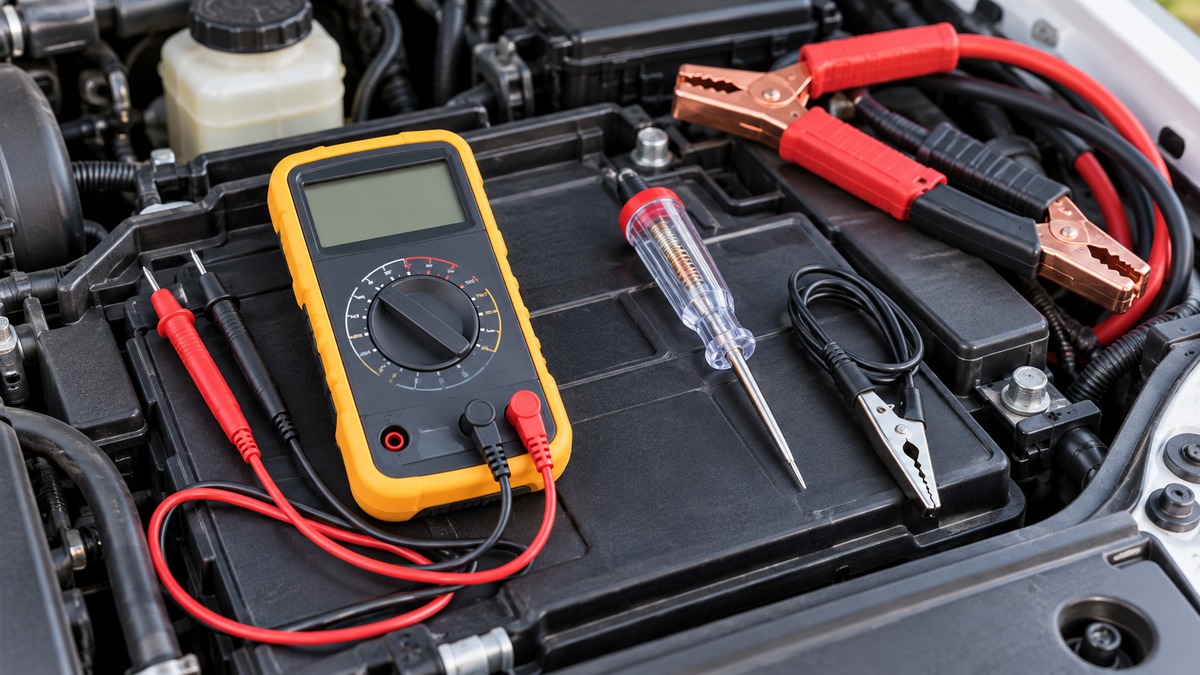
Best 12v Automotive Tester Options Compared
As an Amazon Associate we earn from qualifying purchases. Details
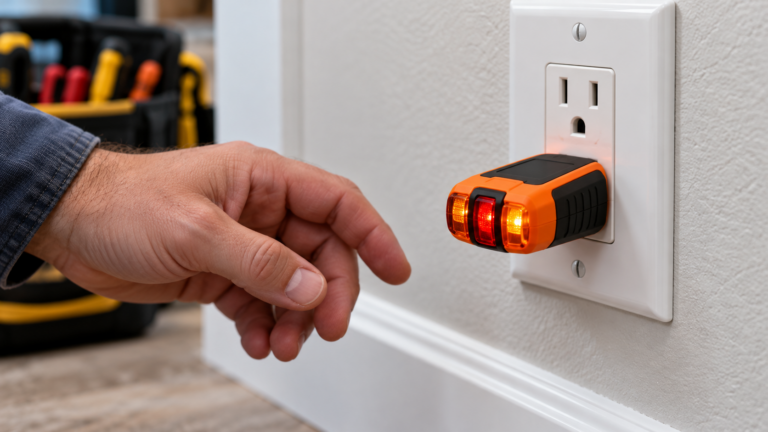
A 12v automotive tester checks whether a vehicle circuit has power, how much voltage it carries, or how healthy a 12-volt battery is. The right tool depends on which question you are asking. A test light answers a yes-or-no question about a wire. A digital multimeter gives a number. A battery tester looks at the battery itself. The six options below cover those three jobs, and each one is compared on the details its listing states. Read this guide before you connect anything to a vehicle circuit.
Quick answer
Choose a test light for a fast check on whether a 12-volt wire has power. Choose a digital multimeter when you need a measured number, and choose a battery tester when the question is battery health. Check the voltage range first. The two test lights here state 3-48V and 6-24V DC ranges, both of which include 12-volt circuits. Skip any tool whose range does not reach 12 volts. Disconnect or handle the battery only as your vehicle manual describes.
What matters for a 12v automotive tester
Five details change the right choice more than brand does, so compare them in this order.
- Question you need answered. A light answers whether a wire is live. A meter gives a reading. A battery tester reports condition. Pick the tool that matches the question.
- Voltage range. The WINAMOO test light states a 3-48V range, and the FEAOXYO test light states a 6-24V DC range. Both cover 12-volt circuits. The Autel tool lists a 0-65V DC voltage range in its specs, while its bullets describe testing 6-30 volt vehicle systems.
- Readout type. The WINAMOO kit has a digital voltage display. The FEAOXYO kit uses a bulb whose brightness changes with the voltage, so it gives a signal rather than a number.
- Protection and ratings. The AstroAI multimeter lists CAT III 600V and CAT II 1000V in its compliance field. The test lights and battery tester list no CAT rating, so do not use them as a substitute for a rated meter on mains circuits.
- Extra functions. The FlyroadUp unit reads trouble codes and tests the battery, and the Autel tool adds active tests and a tone mode. Extra functions add learning time, so buy them only if you need them.
The six testers compared
Autel PowerScan circuit tester
This tool is a power circuit probe with four working modes: DC voltage, AC voltage, resistance and tone. Its External Power field says it runs from 12.0 or 24.0 V supplied by the vehicle battery. The package includes a 20ft. extension cable and a rugged blow molded case, which helps when the test point is far from the fuse box. The bullets describe a 1-year warranty, but the warranty field gives no length, so confirm the term before you buy. Skip it if you want a numeric meter in one unit, since its feature set centers on circuit testing.
FEAOXYO automotive test light
This is a simple test light with a bulb, a 39 inch PU wire and a long steel probe. The bullets state a 6-24V DC testing range for turn signals, headlights, taillights and fuse connections. The bulb’s brightness changes with the measured voltage, which gives a rough sense of strength but not a numeric reading. It fits an owner who wants a simple way to confirm power on a lamp circuit. Skip it if you need an exact voltage, or if you need the wider 3-48V range that the WINAMOO kit states.
WINAMOO digital test light
The WINAMOO kit combines a test light with a bright LED display that shows voltage to 0.1V. Its bullets say it can test car battery voltage and diagnose issues in 3V-48V systems, and it includes a 96 inch spring wire for reach across a wide area. The Power Source field reads Corded Electric, which does not match a handheld tester, so confirm how it is powered before use. Its listed size is 11.1 x 4.2 x 1.4 inches, so check that it fits your tool bag. Skip it if you need a pocket-size tool.
ANCEL BA101 battery tester
The ANCEL unit is a 12V battery analyzer rather than a circuit tester. Its title gives a 100-2000 CCA load range, and its bullets name the readings it shows, including State of Health (SOH) and State of Charge (SOC). The bullets say it works with Flooded, AGM, GEL and EFB batteries, and that it has 4-in-1 protection against reverse polarity, short circuits, overcurrent and overvoltage. Its warranty field gives 12 Months. Skip it if your question is whether a wire carries power, since it does not trace circuits.
AstroAI digital multimeter
The AstroAI meter is the only true multimeter in this group. Its title describes a True RMS, 6000-count, auto-ranging volt meter for automotive and home troubleshooting. Its DC voltage specs run up to 1000V, and its compliance field lists CAT III 600V and CAT II 1000V. The package includes a 9V 6F22 battery, and the bullets describe double ceramic fuses. The Item Weight field reads 492 g, while the weight line in the specs reads approximately 357g, so treat the weight as unclear. Skip it if you only need a quick yes-or-no check on a wire.
FlyroadUp OBD2 scanner and battery tester
This unit plugs into the vehicle’s OBD2 port and combines a code reader with a 12V battery test. Its item highlight lists a battery voltage test, a voltage curve monitor and a battery health check. Its bullets say the battery result is shown as Good, Medium or Poor, and that the unit needs no app or setup. The screen is 2.8 inches. Its warranty field reads 1 Year Warrany, which is misspelled, so confirm the warranty term with the seller. Skip it if you need to trace or probe a wire, since it reads codes and battery condition rather than circuit voltage.
At a glance: the 6 picks, by their own spec fields
| Pick | Function | Range | Flag |
|---|---|---|---|
| Autel PowerScan (long cable) | DC voltage probe | 0-65V +1 digit (specs) vs. 6-30V vehicle systems (bullets) | Two different range figures — read separately; warranty field gives no length despite a bullet mentioning 1 year |
| Bulb-Style Test Light | Presence/brightness check only, no numeric readout | 6-24V DC | Narrowest range in this group |
| WINAMOO Digital Readout | Digital voltage readout, 0.1V resolution | 3-48V | Power Source field reads “Corded Electric” — unclear for a handheld tool; 11.1 x 4.2 x 1.4 in, needs tool-bag room |
| ANCEL BA101 (battery analyzer) | Battery capacity/performance, not circuit voltage | 100-2000 CCA load range in the title, no field explains how it’s measured | Does not trace wiring |
| AstroAI Full Multimeter | Full multimeter, DC voltage to 1000V | CAT III 600V and CAT II 1000V listed together — check which applies to your circuit | Item weight reads 492g in one field, ~357g in another — conflict |
| 2-in-1 OBD2 + Battery Tester | Engine codes + battery condition (Good/Medium/Poor), not circuit voltage | Not applicable | Warranty field reads “1 Year Warrany” (typo) — confirm term with seller |
Specs are from each product’s Amazon listing, checked 2026-10-11 through 2026-10-13. Three of the six (Autel, AstroAI, OBD2 tester) have an internal field conflict — confirm the exact figure on the current listing before relying on it.
1. Autel PowerScan Automotive Circuit Tester, 12-24V Power Circuit Probe Tool (Power circuit probe with long cable)
Specs from the listing (checked 2026-10-11):
- DC Voltage Range: 0-65V +1 digit
- External Power: 12.0 or 24.0 V power provided via vehicle battery
- Specification Met: CE, IP 67, UL
- Package Including: 1* PowerScan 1* 20ft. extension cable 1* Rugged blow molded case 1*Probe tip 1* Battery clips 1*Ciga-rette lig-hter adapter 1*User's Manual
Pros
- Specs give a DC voltage range of 0-65V plus 1 digit
- Package includes a 20ft. extension cable and a rugged blow molded case
Cons
- Specs give a 0-65V DC range while bullets describe 6-30 volt vehicle systems, so the two figures need separate reading
- The bullets mention a 1-year warranty, but the warranty field gives no length
Best for: Technicians who want a rugged kit with a long extension cable
Skip if: You need a numeric meter in one unit
View on Amazon (affiliate link)
2. Test Light Automotive, Circuit Tester 6V-12V-24V DC Car Electrical Test Pen with Alligator Clip (Bulb-style test light)
Specs from the listing (checked 2026-10-11):
- Compatible Devices: Cars, Trucks, SUVs, RVs
- Included Components: 6V-24V test light automotive
- Measurement Type: Volts
- Power Source: Battery Powered
Pros
- Bullets state a 6-24V DC testing range for turn signals and headlights
- Bullets describe a 39 inch PU wire for reach around the vehicle
Cons
- Its 6-24V range is narrower than the range of the digital readout kit in this guide
- The bulb's brightness changes with voltage, so it offers no numeric readout
Best for: Owners who want a simple bulb-style test light for lamps and fuses
Skip if: You need an exact voltage figure
View on Amazon (affiliate link)
3. WINAMOO Automotive Test Light with 3-48V LED Digital Voltage Display, Auto Circuit Tester (Digital readout test light)
Specs from the listing (checked 2026-10-11):
- Power Source: Corded Electric
- Item Weight: 200 g
- Specification Met: CE, UL
- Item Dimensions: 11.1 x 4.2 x 1.4 inches
Pros
- Bullets describe a digital voltage readout with 0.1V resolution
- Includes a 96 inch spring wire for reach across broad areas
Cons
- The Power Source field reads Corded Electric, which is unclear for a handheld tester
- Its listed size, 11.1 x 4.2 x 1.4 inches, needs room in a tool bag
Best for: Mechanics who want a digital readout and a long reach
Skip if: You want a pocket-size tool
View on Amazon (affiliate link)
4. ANCEL BA101 Car Battery Tester, 12V Digital Automotive Alternator Meter Diagnostic Tool,100-2000 (12V battery analyzer)
Specs from the listing (checked 2026-10-11):
- Measurement Type: Battery Capacity and Performance
- Compatible Devices: car, truck, boat, RV, marine vehicle, ATV, lawnmower, golf cart, motorbike
- Warranty Description: 12 Months
- Item Weight: 5 ounces
Pros
- Bullets name Flooded, AGM, GEL and EFB battery types
- Built-in 4-in-1 protection covers reverse polarity, short circuits, overcurrent and overvoltage
Cons
- Measures battery condition rather than circuit voltage, so it does not trace wiring
- The title gives a 100-2000 CCA load range, and no other field explains how that reading is taken
Best for: Owners who want a battery condition check on a 12V battery
Skip if: You need to trace a circuit or check voltage on a wire
View on Amazon (affiliate link)
5. AstroAI Digital Multimeter, True RMS 6000 Counts Auto-Ranging Volt Meter for Automotive & Home (Full multimeter with CAT ratings)
Specs from the listing (checked 2026-10-11):
- Safety/Compliances: EN 61010-1 CAT III 600V, CATII 1000V
- DC Voltage: 600mV ±(0.8%+5), 6V/60V/600V ±(0.8%+3), 1000V ±(1%+5)
- Power: 1 x 9V 6F22 Battery Included
- Item Weight: 492 g
Pros
- Specs give DC voltage ranges up to 1000V and a 600mV range
- Package includes 1 x 9V 6F22 battery and bullets describe double ceramic fuses
Cons
- Item Weight reads 492 g while another field reads Approx 357g, so the weight is unclear
- Its compliance field lists CAT III 600V and CAT II 1000V, so check that the rating suits the circuit
Best for: Users who want a full multimeter for automotive and household checks
Skip if: You only need a quick yes-or-no check on a wire
View on Amazon (affiliate link)
6. 2-in-1 OBD2 Scanner Diagnostic Tool & Battery Tester for 12V Cars (OBD2 code reader with battery check)
Specs from the listing (checked 2026-10-13):
- Screen Size: 2.8 inches
- Automotive Fit Type: Universal Fit
- Manufacturer Warranty Description: 1 Year Warrany
- Included Components: OBD2 Scanner; User Manual
Pros
- Bullets say the battery result is shown as Good, Medium or Poor
- Plugs into the OBD2 port with no app or setup required
Cons
- Warranty field reads 1 Year Warrany, so confirm the term with the seller
- Reads codes and battery condition rather than circuit voltage at a wire
Best for: Drivers who want an engine code read and a 12V battery check in one unit
Skip if: You need a probe or a tool for circuit tracing
View on Amazon (affiliate link)
How to choose
Use these rules to narrow the six options.
- Choose a test light, such as the FEAOXYO or WINAMOO kit, if you need a fast answer on whether a wire is live. The WINAMOO kit adds a numeric readout.
- Choose the AstroAI multimeter if you need a measured number and want a meter rated for automotive and household work. Its CAT III 600V and CAT II 1000V entries suit that job only if the rating matches your circuit.
- Choose the ANCEL battery tester if the question is battery condition. It is a battery tool, not a circuit tool.
- Choose the FlyroadUp unit if you want an engine code read and a battery health check in one device.
- Choose the Autel tool if you want a power circuit probe with a long extension cable and a case.
- A tool whose range stops below 12 volts is not a fit for this job.
Think about where the tester will be used before you choose. A tester for a trailer harness needs enough cable to reach the rear lights. A tester for a battery bay needs a clamp and a battery mode. A tester for a dashboard fuse box needs a probe tip that fits the connector. If you want a broader view of 12-volt test lights, read the 12V voltage tester guide and the 12V tester light guide. For battery questions only, the battery voltage tester guide covers that separate job.
Start with the question, then the range, then the extras. Write down the voltage you expect, the circuit you will test and whether you need a number. Then compare the options above against those three answers. That order keeps the choice simple and stops you from buying functions you will not use.
Warranty fields also differ across these listings. The ANCEL field reads 12 Months, the FlyroadUp field reads 1 Year Warrany, and the Autel bullets mention a 1-year warranty without a length in the field. Treat those entries as the seller’s wording, and confirm the term in writing before you rely on it.
Worked example
Here is one planning scenario. If you use a test light, each check takes about 1 minute, so 12 times 1 = 12 minutes of checking. A multimeter takes longer per point because you read the number, so plan extra time. Use the same tool for every point so the results can be compared.
Mistakes to avoid
- Using a tool outside its voltage range. A test light rated 6-24V DC gives a clear answer on a 12-volt lamp circuit, but a range that stops below 12 volts gives no useful answer.
- Working near the airbag or a high-voltage system. Do not use a tester on airbag wiring or on hybrid or EV high-voltage parts. Follow the vehicle maker’s procedure for those systems.
- Skipping the battery step your manual names. Battery disconnection steps belong in your vehicle manual, so follow those. Do not improvise a battery disconnection.
- Replacing a blown fuse with a larger one. A fuse is a sacrificial device. Once it has operated, it must be replaced with the rating the vehicle manual specifies.
- Trusting an unrated tool on mains. A tool with no CAT rating in its listing is not a substitute for a rated meter on household circuits. Panel and service work belongs to a licensed electrician.
FAQ
Is a 12v automotive tester the same as a multimeter?
No. A test light answers whether a wire has power. A multimeter reads a value. A battery tester reports the health of the battery. Each tool answers a different question.
Can I use a test light on a household outlet?
No. The test lights here are for low-voltage DC vehicle circuits. Use a voltage tester rated for mains voltage on household wiring, and follow the manufacturer’s manual and local electrical rules.
What does the CAT rating on a meter mean?
A CAT rating describes the category of circuit the meter is built for, and the voltage it can withstand in that category. The AstroAI listing states CAT III 600V and CAT II 1000V. Match the rating to the circuit you test, and follow the meter manual.
Do I need to disconnect the battery before I test?
Follow the vehicle manual. Some steps call for the battery to be disconnected, and some do not. Do not work near airbag or high-voltage hybrid or EV systems without the maker’s procedure.
Can a battery tester find a broken wire?
No. A battery tester reports battery condition, such as State of Health and State of Charge. To find a broken wire, use a test light, a multimeter or a circuit tracer.
Why does a test light need to reach 12 volts?
A test light only signals when the circuit voltage is within its range. The FEAOXYO and WINAMOO listings state ranges that include 12 volts, so check the range on any kit you consider.
Does the FlyroadUp unit replace a meter?
No. It reads trouble codes and battery condition. It does not give a voltage reading at a wire, so keep a meter or test light in the toolbox for circuit checks.
What should I check on a listing before I order?
Check the voltage range, the readout type, the included accessories, the warranty term and the rating field. Confirm that the rating field lists the category your work needs.
Bottom line
For a fast yes-or-no check on a 12-volt wire, choose a test light with a range that includes 12 volts. For a measured reading, choose the AstroAI multimeter and confirm the CAT rating suits the circuit. For battery condition, choose the ANCEL tester. If you need engine codes and battery health in one device, the FlyroadUp unit fits that job. Keep the vehicle manual open for every step.
Sources
- Multimeter, Wikipedia: a multimeter measures voltage, resistance and current, and some models add other functions.
- Test light, Wikipedia: a test light checks whether a conductor is live and includes features to protect the user from accidental shock.
- Fuse (electrical), Wikipedia): a fuse is a sacrificial device that must be replaced once it has operated.